Understanding Phonics: Why It Matters in Early Reading
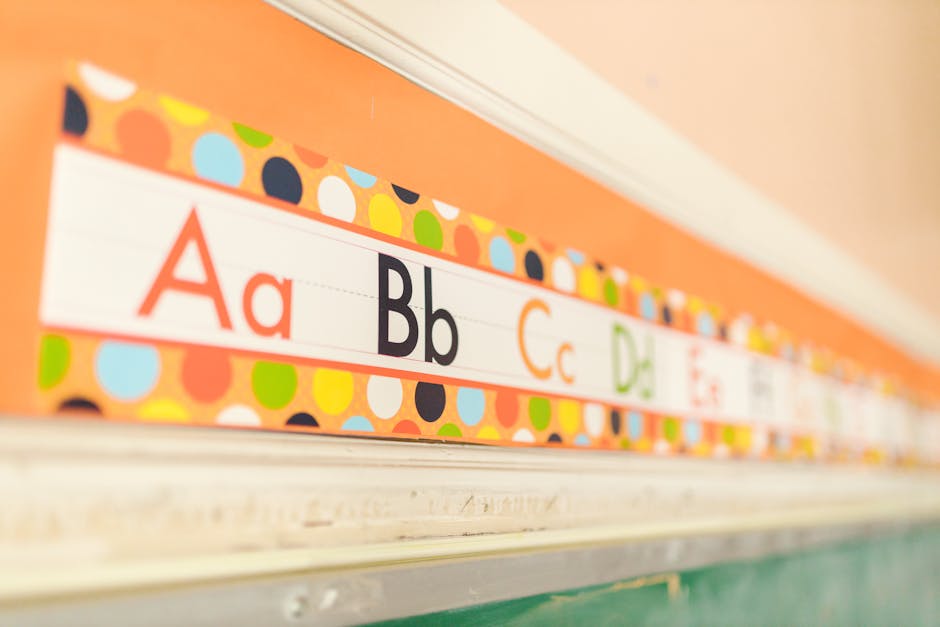
Phonics is often discussed in parent forums and school meetings, but many adults aren't entirely sure what it means or why educators emphasise it so much. Understanding phonics is crucial if you want to support your child's early reading development effectively.
What Is Phonics?
Phonics is the relationship between letters (graphemes) and the sounds they represent (phonemes). It's a method of teaching reading that helps children understand how written symbols correspond to spoken sounds. Rather than memorising whole words as shapes, children learn to decode words by recognising individual letter sounds and blending them together.
Why Phonics Works
Our brains are pattern-recognition machines. When children understand that "c" makes a "kuh" sound and "at" sounds like "at," they can decode "cat" without having memorised it beforehand. This is powerful because it means they can read new words independently. They're not dependent on a limited sight vocabulary.
Synthetic vs Analytical Phonics
There are two main phonics approaches. Synthetic phonics teaches children to identify individual letter sounds and blend them together ("c-a-t" becomes "cat"). Analytical phonics teaches children to analyse whole words and identify sounds within them. Most modern UK schools use synthetic phonics as it's been shown to be particularly effective for struggling readers.
The Phonics Progression
Effective phonics teaching follows a structured sequence. Children typically start with single-letter sounds, then progress to digraphs (two letters making one sound, like "ch" or "sh"), then trigraphs, and eventually more complex letter combinations. This systematic approach prevents confusion and builds confidence.
Common Misconceptions
Some people worry phonics is boring or mechanical. In reality, good phonics instruction is engaging and playful. Children enjoy the "aha" moment of decoding a new word. Others think phonics is all children need for reading. Whilst phonics is essential, children also need exposure to a wide range of books, comprehension support, and a love of stories.
Supporting Phonics at Home
You don't need to be a teacher to help. Play simple sound games with your child. Point out letters and their sounds during everyday life. Read together regularly. Ask your child's school which phonics programme they use, then look for matching resources at home. Consistency between school and home accelerates progress.
When Phonics Isn't Enough
Phonics works brilliantly for most children, but some struggle despite good phonics instruction. This might indicate dyslexia or another specific learning difference. If your child isn't progressing as expected, discuss this with their teacher or consider specialist assessment.
Phonics isn't the whole story of literacy, but it's a crucial foundation that gives children the tools to become independent readers. Understanding it helps you support your child's learning journey more effectively.